Imagine you’re the accessibility coordinator for a 400-seat church, and a longtime congregant who wears hearing aids pulls you aside after the service. She says she can’t follow the sermon anymore — the words are muddy, reverberant, lost in the room. You know you need an assistive listening system (a technology that transmits audio directly to a listener, bypassing the distance and acoustics between speaker and ear), but the quotes you’ve gotten range from $1,200 to $18,000, the vendors each swear their technology is the right one, and the ADA paperwork sitting on your desk doesn’t make the choice any easier.
This guide is for you. We’ll break down the three dominant technologies — hearing loop (also called an induction loop or telecoil loop), FM (radio-frequency) transmission, and Auracast (the emerging Bluetooth broadcast standard) — compare them honestly on coverage, cost, compliance, and user experience, and end with a concrete decision rule for each venue type.
How the Three Technologies Actually Work — and Why It Matters for Your Decision
Hearing loop systems work by running a wire around the perimeter (or under the floor) of a seating area. That wire carries an electric current that creates a magnetic field. Any hearing aid or cochlear implant processor with a built-in telecoil (a small coil of wire inside the device, often labeled “T” or “T-coil” on the settings menu) picks up that field and converts it directly into sound. No receiver to check out. No battery to borrow. The user’s own hearing aid does the work.
FM systems transmit audio over a dedicated radio frequency — typically 72–76 MHz in the U.S., per FCC Part 15 rules. Listeners must wear a dedicated FM receiver, a small device roughly the size of a pager, and connect it to a neckloop, earbuds, or a direct audio input cable. Venues stock a pool of receivers that they loan out and must maintain, charge, and sanitize.
Auracast is Bluetooth LE Audio’s broadcast mode, finalized by the Bluetooth SIG in 2022 and reaching venue-grade deployments in 2024–2025. A transmitter broadcasts an audio stream that any compatible device — a smartphone with an Auracast-capable Bluetooth chip, or a dedicated Auracast receiver — can tune into, like selecting a radio station. The LC3 codec at the heart of Auracast is designed for low latency and high audio quality even at modest bit rates.
The working mechanism dictates nearly every downstream trade-off: who needs to carry equipment, what the installation looks like, how the system holds up over ten years, and what it costs to maintain.
By the Numbers: Rough Cost Ranges (2026 U.S. Market)
| Technology | Installation (mid-size venue, ~300 seats) | Per-user receiver cost | Ongoing maintenance |
|---|---|---|---|
| Hearing loop | $3,500–$18,000 | $0 (telecoil users) | Low — no receiver fleet |
| FM system | $800–$3,500 | $150–$350 per receiver | Moderate — receiver fleet upkeep |
| Auracast | $1,200–$6,000 (early-market) | $0–$200 (many bring own device) | Low-to-moderate, evolving |
Ranges drawn from published installer quotes, manufacturer MSRP lists from Contacta and Williams Sound, and cost guidance summarized in the Hearing Loss Association of America’s assistive listening technology fact sheet. Actual bids vary significantly by room geometry, existing audio infrastructure, and local labor markets.
Comparing the Three Systems in Depth
Hearing Loop: The Gold Standard for Telecoil Users
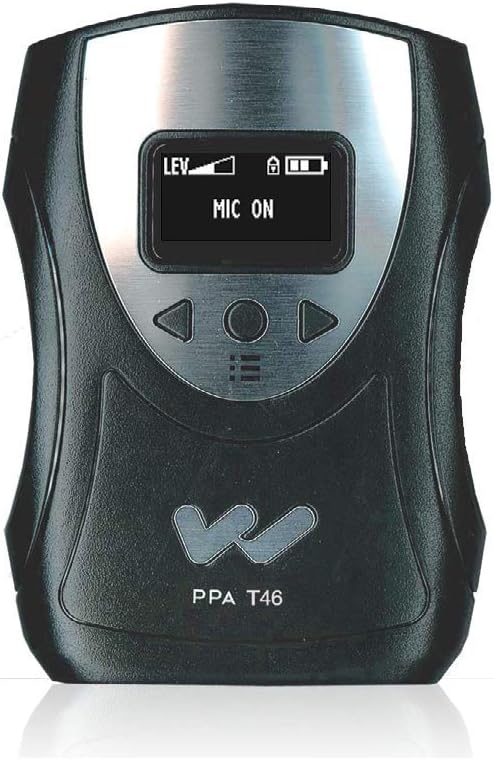
Williams
$936.00
In stock on Amazon
Check price on AmazonIf your target users primarily wear hearing aids or cochlear implant processors, a hearing loop is the closest thing to a “zero friction” experience. The user walks in, switches their hearing aid to T-coil mode, and receives a clean, direct audio feed. No receiver kiosk. No staff training on equipment loans. No stigma of wearing a visible device.
The American Speech-Language-Hearing Association’s hearing assistive technology resource pages (asha.org) identify telecoil-compatible loop systems as the preferred choice for hearing aid users in large assembly spaces precisely because the audio signal is processed through the user’s own, already-fitted device. The Hearing Loss Association of America’s assistive listening systems fact sheet echoes this, consistently noting higher reported satisfaction among loop users compared with receiver-loan alternatives.
The compliance picture also favors loops in jurisdictions that have adopted the International Electrotechnical Commission’s IEC 60118-4 standard for induction loop systems. A properly engineered loop certified to IEC 60118-4 produces a magnetic field strength of 100 mA/m (±3 dB) across the seating area — a measurable, verifiable output that holds up under ADA documentation review.
Where loops struggle:
- Installation complexity and cost. A large sanctuary with steel-reinforced concrete floors can cost $12,000–$18,000 or more. Steel attenuates the magnetic field and may require a more powerful driver amplifier or a phased-array (multiple overlapping loops) topology. Contacta’s published technical installation guides acknowledge that steel-framed buildings routinely require site surveys before a fixed bid is possible.
- Overspill into adjacent spaces. A loop’s magnetic field doesn’t stop at the wall. In a multi-room building — think classrooms adjacent to a foyer used simultaneously — a figure-8 or phased-array design is needed to contain the field, adding cost and design complexity.
- Telecoil dependency. Users without a telecoil — including many people using consumer Bluetooth earbuds or newer Bluetooth-only hearing aids — need a neckloop receiver to bridge the gap, which reintroduces the receiver-loan problem.
Best for: Congregations and venues where most users wear conventional hearing aids or cochlear implant processors, and where the building permits floor or perimeter wire installation.
Williams
$936.00
In stock on Amazon
Check price on AmazonFM Systems: The Proven Workaround When Installation Isn’t Feasible
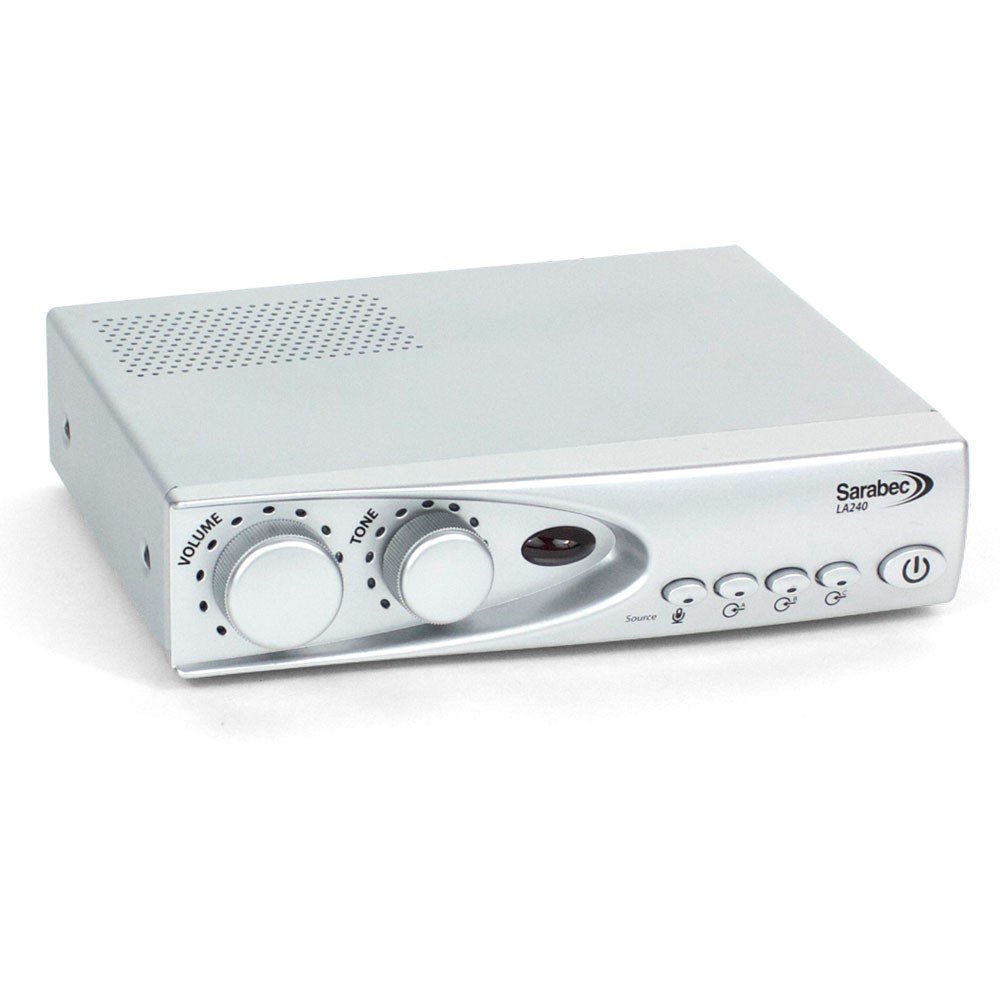
Williams
$330.00
In stock on Amazon
Check price on AmazonFM has been the workhorse of U.S. venue accessibility compliance for three decades. The technology is mature, the receiver-pool model is well understood by ADA compliance officers, and the upfront installation cost is the lowest of the three options — often under $2,000 for a modest-sized room.
The ADA Standards for Accessible Design, Section 706, specify minimum receiver quantities tied to fixed seating capacity. For a 300-seat venue, that means a minimum of 12 receivers (4% of fixed seating), though operators in practice report stocking 20–30 to account for simultaneous demand, dead batteries, and devices held at the welcome desk. Williams Sound’s published fleet management guidance notes that annual receiver replacement rates of 10–15% are common in high-traffic venues — a real operational cost that should be budgeted from day one.
Where FM earns its place:
- Retrofits in leased or landmark buildings. If you can’t route wire through a historic sanctuary floor or a landlord won’t authorize permanent installation, an FM transmitter connects to your existing PA system audio output in an afternoon.
- Multi-zone flexibility. FM can run on multiple frequencies simultaneously, letting a campus with a sanctuary, a fellowship hall, and a chapel each have independent audio without signal bleed — provided you stay within FCC Part 15 power limits.
- No technology obsolescence risk in the near term. FM receivers purchased today work with FM transmitters purchased in 2015. If your organization replaces equipment in phases, backward compatibility is a real operational advantage.
Where FM creates friction:
- Receiver fleet management is a genuine ongoing burden. Annual replacement, sanitization, charging, and staff training on device loans add up in both labor and materials.
- Stigma and checkout friction reduce real-world utilization. The Hearing Loss Association of America’s fact sheet on assistive listening devices notes that device-loan models consistently produce lower uptake than systems where users access audio through their own devices. If your goal is actual use rather than a compliance checkbox, this gap matters.
- Audio quality plateaus in RF-noisy environments. In dense urban settings or venues near broadcast towers, FM’s signal-to-noise ratio is adequate but not exceptional. Interference events are uncommon with properly managed frequencies but do occur.
Best for: Leased spaces, landmark buildings, venues needing fast low-capital deployment, and campuses requiring multi-zone independent audio.
Williams
$330.00
In stock on Amazon
Check price on AmazonAuracast: The Emerging Option — Real Promise, Real Caveats
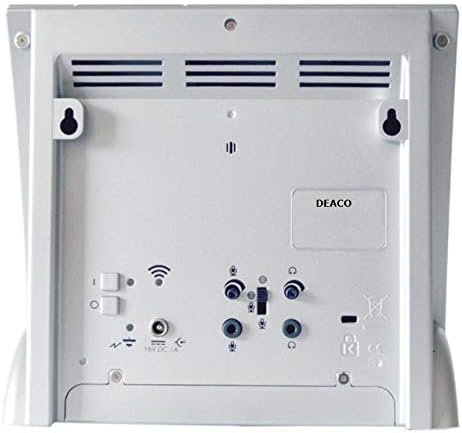
Williams
$420.00
In stock on Amazon
Check price on AmazonAuracast is the most discussed technology shift in assistive listening since the hearing loop revival of the 2010s, and for good reason. The Bluetooth SIG’s Auracast Broadcast Audio specification describes a one-to-many broadcast model with no pairing requirement: a listener simply scans for available broadcasts and connects, similar to selecting a Wi-Fi network. The underlying LC3 codec delivers noticeably better audio quality than FM at equivalent bit rates. For venues, this means no receiver fleet, no checkout desk, and no specialized staff knowledge required at the point of use.
Most mid-range to premium smartphones released in 2024 and later include Auracast-capable Bluetooth LE Audio chipsets. Major hearing aid manufacturers — including Phonak, Oticon, and Starkey — have published Auracast-compatible device roadmaps, with initial models reaching market in 2025–2026.
Where Auracast is already compelling:
- New construction and major renovation. If you’re building or gut-renovating a space and want to future-proof the assistive listening infrastructure, Auracast transmitters are now available from established manufacturers at price points that compete with FM. The absence of in-floor wiring or ceiling-mounted loop drivers simplifies installation considerably.
- Multi-language broadcast. Auracast supports simultaneous broadcast streams, which means a venue serving multilingual congregations can transmit the same service in multiple interpreted languages over a single system infrastructure — a meaningful advantage over loop and FM.
- Younger and mixed-device demographics. A venue serving users who primarily use Bluetooth hearing aids, Auracast-native cochlear processors, or smartphones will find genuine adoption — provided devices are compatible.
Where Auracast requires caution in 2026:
- Device compatibility is still catching up. As of mid-2026, the installed base of hearing aid users whose devices support Auracast natively remains a small fraction of the overall hearing aid population. Most current hearing aid users will still need a dedicated receiver or an upgrade cycle before they benefit directly.
- No finalized ADA guidance yet. The U.S. Access Board has not issued formal guidance recognizing Auracast as a standalone compliance solution under ADA Section 706. Venues relying solely on Auracast may face compliance questions during a DOJ review or a formal complaint process. Consult with your ADA compliance attorney before designating Auracast as your only system without a loop or FM backup.
- Early-market pricing volatility. Published installer quotes for Auracast venue systems vary widely as the market matures. Budget for a 12–18 month pricing review window if you’re in early planning stages.
Best for: New construction, multilingual congregations, venues serving younger adults and mixed hearing-device demographics, and organizations willing to run a hybrid system during the transition period.
Williams
$420.00
In stock on Amazon
Check price on AmazonThe Decision Framework: Matching Technology to Your Venue
If your primary users wear hearing aids or cochlear implants and your building allows installation → Prioritize a certified hearing loop. The zero-receiver, zero-friction experience drives the highest actual utilization, and IEC 60118-4 certification gives you a defensible compliance benchmark. Budget for a professional site survey before accepting any fixed bid — steel-frame buildings require one.
If you’re in a leased space, a landmark building, or need compliance fast with limited capital → FM is your pragmatic choice. It covers the ADA Section 706 minimums, installs without structural work, and uses mature, stable technology. Build receiver fleet management into your operational budget from day one.
If you’re building new, serving a multilingual congregation, or want to future-proof for the next decade → Auracast deserves serious evaluation as a primary or co-primary system, but pair it with a loop or FM system until ADA guidance clarifies and the hearing-aid installed base catches up. A hybrid Auracast and hearing loop installation is technically feasible and increasingly common in purpose-built worship spaces.
If your venue exceeds 500 seats and serves a significant population of older adults → Hearing loop combined with Auracast in parallel is the most inclusive combination available in 2026. The capital cost is higher, but the coverage across the full spectrum of hearing device types — telecoil, Auracast-native, and smartphone — is unmatched by any single-technology approach.
A Note on Funding
Section 44 of the Internal Revenue Code (the “Disabled Access Credit”) allows eligible small businesses — those with gross receipts under $1 million or fewer than 30 full-time employees — to claim a tax credit of up to $5,000 per year for accessibility improvements, including assistive listening systems. Religious organizations and nonprofits that don’t pay federal income tax should instead explore state vocational rehabilitation pass-through grants and Community Development Block Grant (CDBG) funding, both of which have been used to fund venue-level loop installations in documented cases.
Neither funding pathway is automatic. Both require a written accessibility plan and documentation of need. The Hearing Loss Association of America maintains a funding resources section on hearingloss.org that lists current grant programs by state. Build the paperwork into your project timeline from the start — most grant cycles have application windows months before funds are disbursed, and a well-documented accessibility plan is your strongest asset in any funding application.