Vision & Reading Aids · 7 articles
Vision & Reading Aids
Reviews of portable video magnifiers, LED page magnifiers, screen magnification software, and reading pens for low vision and learning differences. We cut through the marketing numbers to explain what magnification level and contrast settings actually matter for everyday reading tasks.
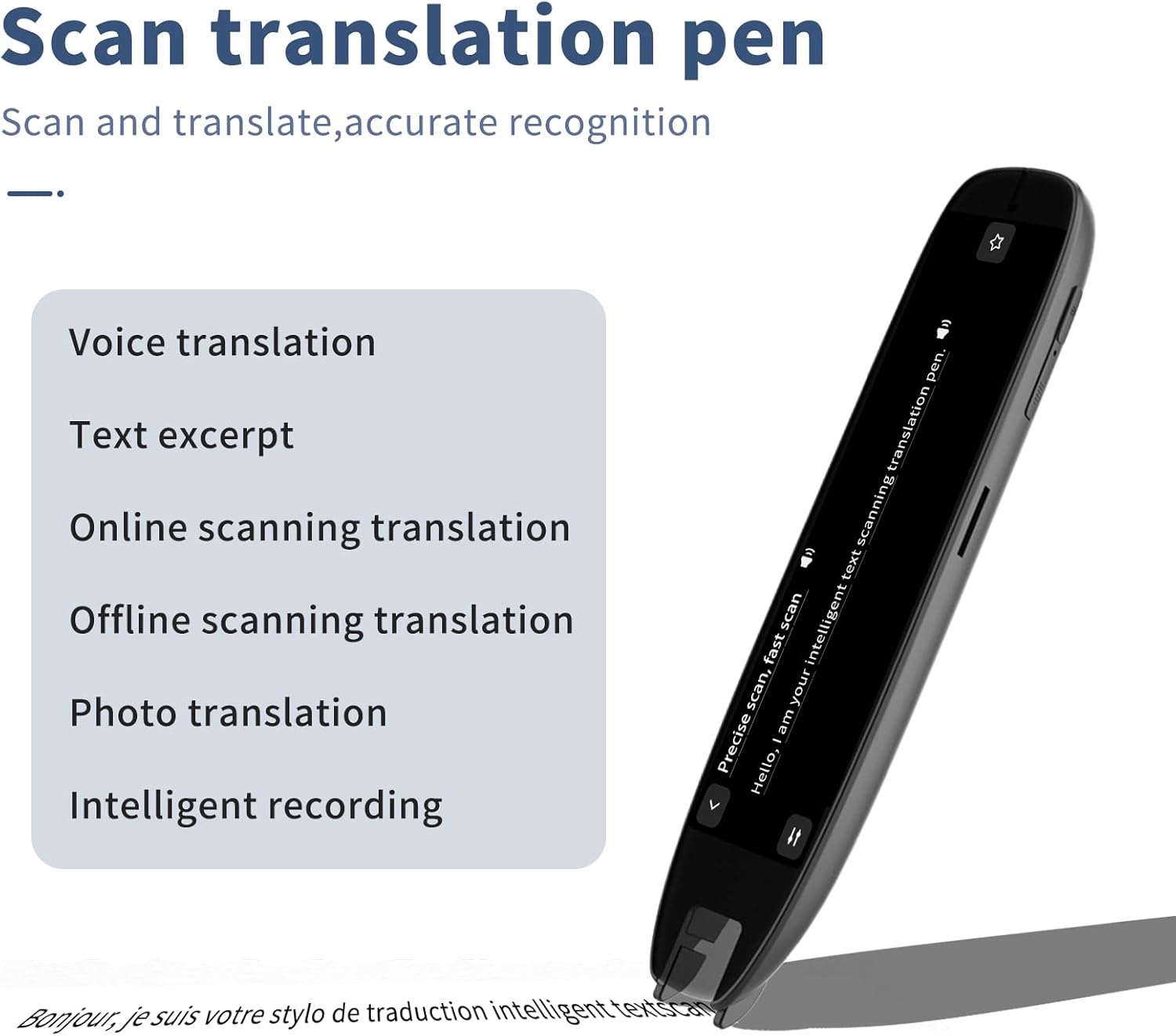
Scan-and-Read Pens for Dyslexia and Learning Differences: What the Specs Don't Tell You
Scan-and-read pens can be a game-changer for people with dyslexia or learning differences — but the spec sheet rarely tells you what actually matters in daily
Read the guide →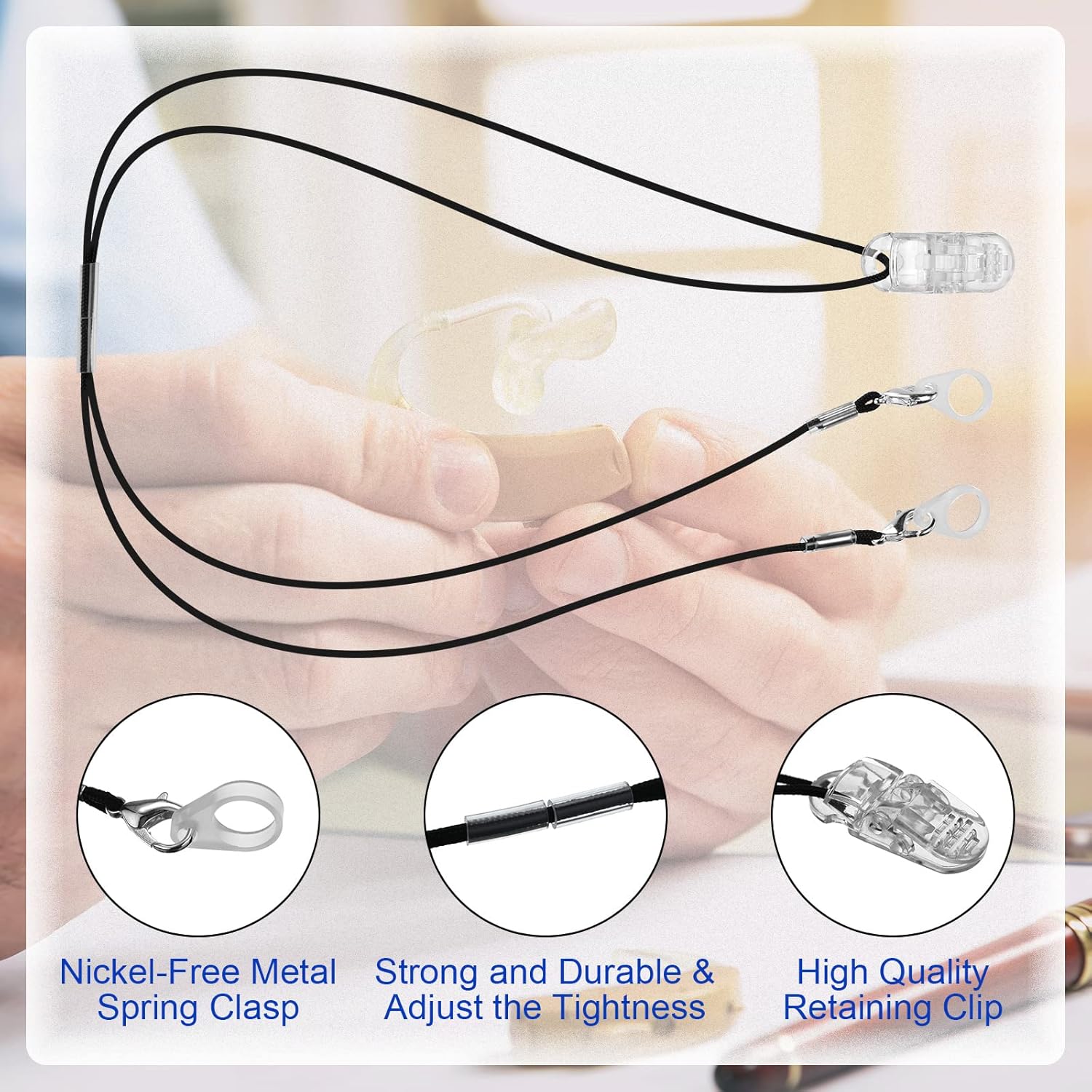
Portable Video Magnifiers for Low Vision: From $80 Pocket Devices to $1,300 OCR-Enabled Readers
A practical buying guide to handheld and portable electronic magnifiers — comparing entry-level pocket loupes to premium OCR readers, with funding tips for
Read the guide →
Hands-Free Magnifiers for Low Vision: Floor Lamps, Page Stands, and Headsets Compared
If grip fatigue or shaking hands have made handheld magnifiers unworkable, hands-free designs — floor lamps, page stands, and wearable headsets — can reopen
Read the guide →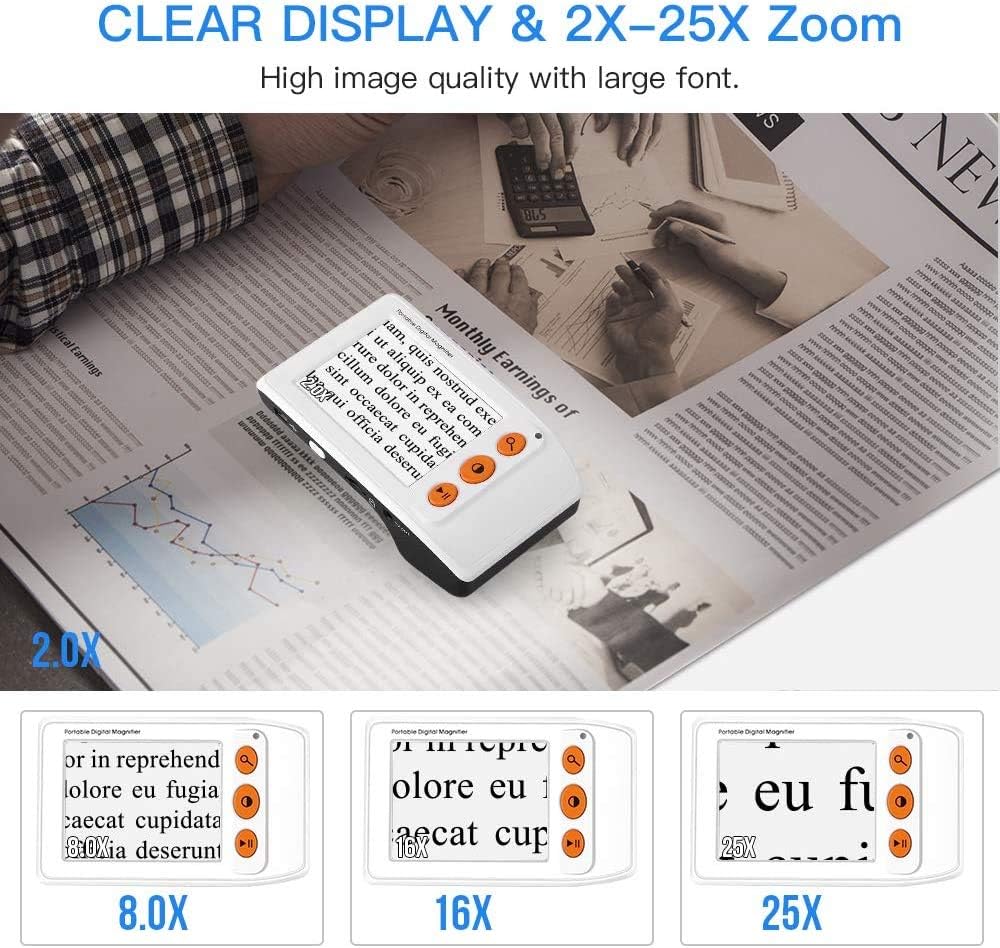
Video Magnifiers for Macular Degeneration: Pocket Screens to 12-Inch OCR Readers Compared
From a $60 pocket magnifier to a $600+ desktop OCR reader, this comparison helps people with macular degeneration — and the OTs and caregivers advising them —
Read the guide →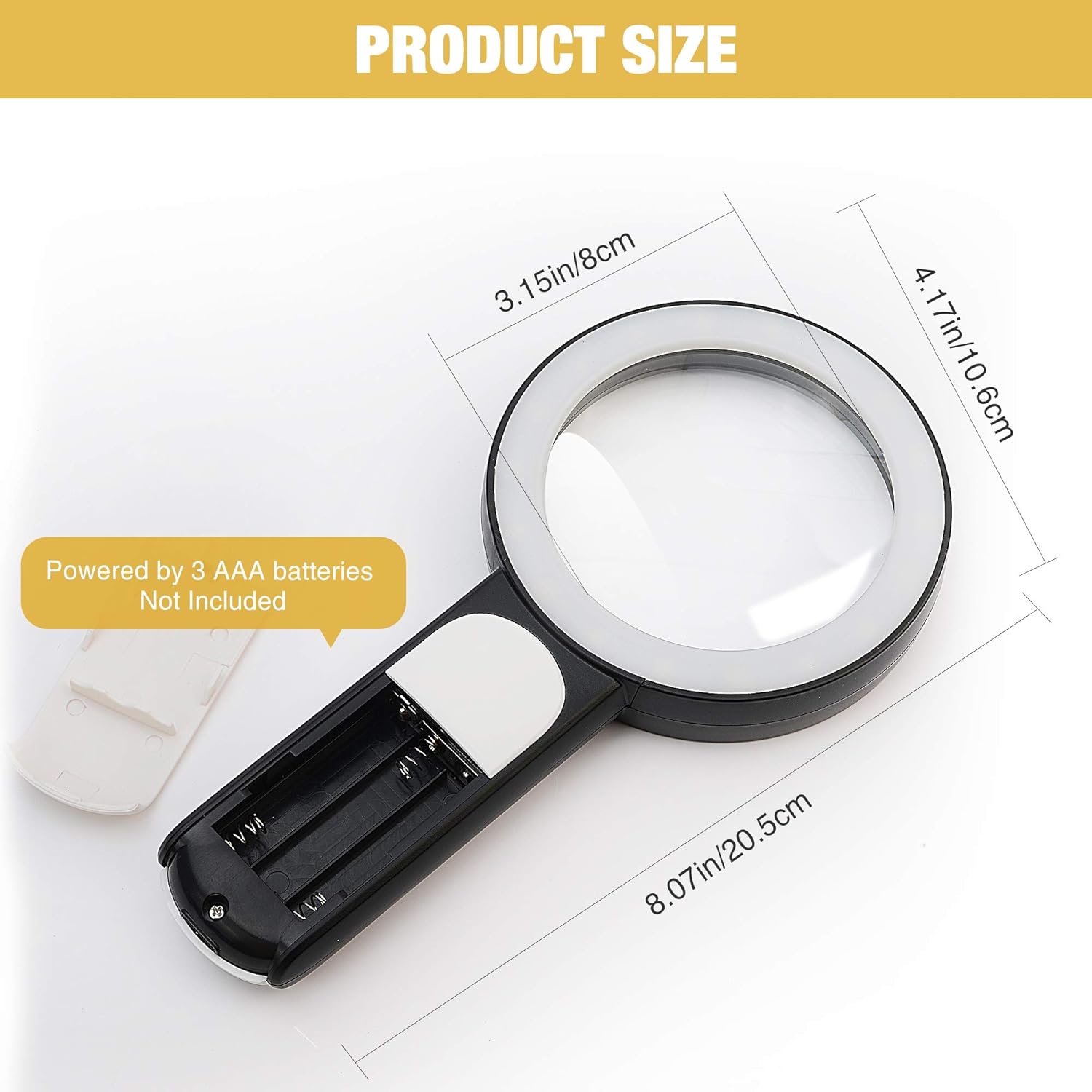
LED Page Magnifiers for Low Vision Reading: Hands-Free, Handheld, and Wearable Options Compared
Choosing the right LED page magnifier for low vision means more than picking the biggest lens. This guide breaks down handheld, stand-mounted, and wearable
Read the guide → Handheld vs. Page vs. Floor Magnifiers for Low Vision: Which Form Factor Actually Works
Power isn't the deciding factor when choosing a low-vision magnifier — fatigue, hand function, and reading posture are. Here's how to match the right form
Read the guide →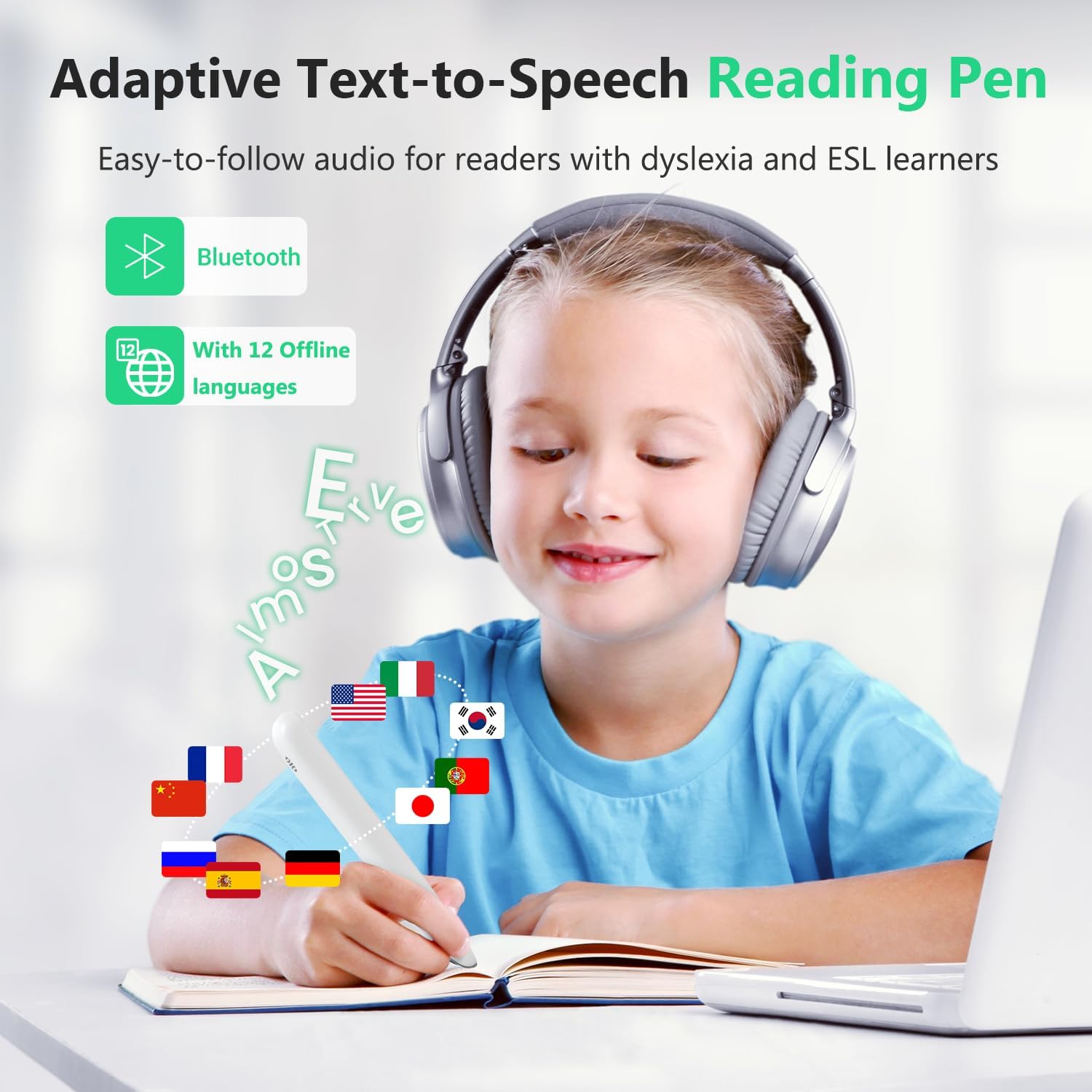
Scan-and-Read Pens for Dyslexia: What Parents and Students Learn After They Buy
Scanning pens promise to read text aloud and help people with dyslexia access print independently — but the real-world experience is more complicated than the
Read the guide →